


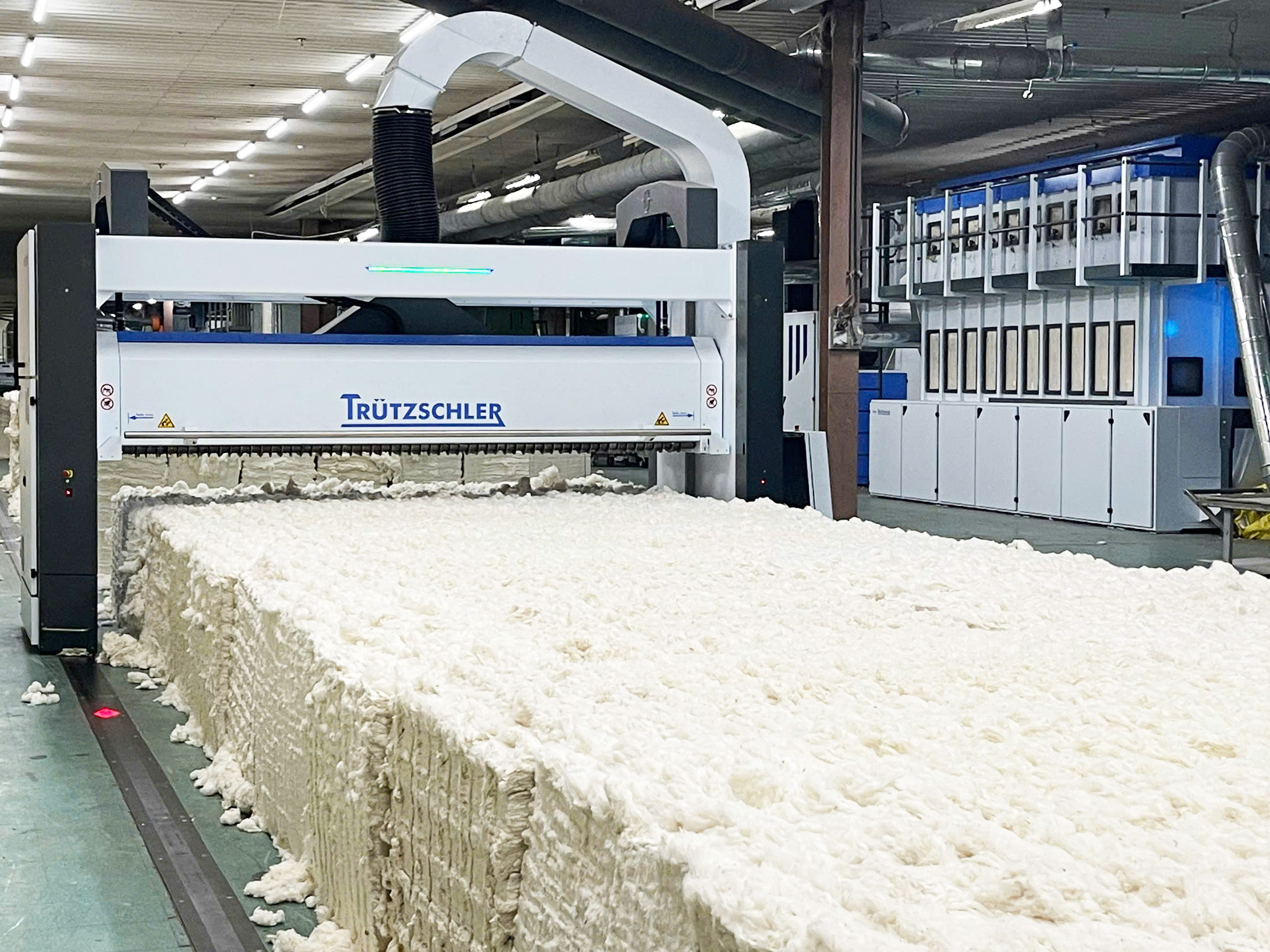
In today’s modern apparel industry, the choice of materials for each garment not only affects product quality and durability but also determines the end-user experience. Among all components, fiber plays a fundamental role — it forms the foundation of every fabric and piece of clothing. Beyond ensuring strength and resilience, fibers contribute to health protection, aesthetic value, and the sustainable growth of the entire textile and garment industry.
Understanding the benefits that fibers bring to apparel production is essential for manufacturers, designers, and consumers seeking the most suitable products for their needs. Let’s explore in depth the “benefits of fibers” to see why this topic remains one of the most discussed in the textile world.
The Role and Importance of Fibers in the Apparel Industry
Fibers – The Foundation of Product Quality
Fibers are the key element that determines the quality of fabrics and finished garments. A high-quality apparel product starts with fibers that have excellent strength, durability under environmental conditions, and meet aesthetic requirements.
For instance, natural cotton fibers provide breathability and moisture absorption, while synthetic polyester fibers offer quick-drying, wrinkle-resistant properties — ideal for sportswear and outdoor apparel.
Impact of Fibers on User Comfort and Health
The benefits of fibers in apparel go beyond visual appeal — they directly affect the user’s comfort and well-being.
Natural fibers such as cotton, linen, and bamboo reduce skin irritation, wick away moisture, and create a pleasant wearing experience. Conversely, synthetic fibers, if poorly selected, can cause heat buildup and discomfort, especially for sensitive skin.
Moreover, functional fibers enhanced with silver nanoparticles, bamboo cellulose, or modal technology possess antibacterial and UV-resistant properties, helping protect consumer health in the modern lifestyle.
Fibers and Sustainable Development in the Textile Industry
Environmental responsibility now plays a crucial role at every stage of production. Therefore, fiber development increasingly focuses on eco-friendly options such as recycled fibers, organic cotton, and bamboo.
The use of sustainable fibers is no longer just a trend — it’s becoming an international industry standard, helping textile enterprises enhance competitiveness both domestically and globally.
Classification of Fibers and Their Distinct Benefits
Natural Fibers – Versatile and Safe for Health
- Cotton: Known for its breathability and moisture absorption, cotton keeps the body cool and comfortable. Ideal for tropical climates and safe for all skin types.
- Linen: Offers lightness, luxury, and excellent heat dissipation. A popular choice for high-end or summer fashion.
- Bamboo: A biodegradable, naturally antibacterial organic fiber that’s gentle on the skin and environmentally friendly — perfect for children’s wear, underwear, and premium products.
Synthetic Fibers – Versatile and Cost-Effective
- Polyester: Durable, elastic, wrinkle-resistant, and quick-drying. Widely used in sportswear, uniforms, and outdoor clothing for its easy maintenance and cost efficiency.
- Nylon: Extremely strong, lightweight, and water-resistant — ideal for jackets, sportswear, backpacks, and protective gear.
- Spandex (Lycra): Exceptional elasticity that maintains garment shape and comfort, perfect for sportswear, yoga outfits, swimwear, and undergarments.
Eco-Friendly, Recycled, and Innovative Fibers
- Organic fibers (Organic Cotton, Modal, Soy): Produced without harmful chemicals, protecting both user health and the environment.
- Recycled fibers (Recycled Polyester, Recycled Nylon): Transform plastic waste into new textile materials, reducing carbon footprint and promoting circular fashion.
- High-performance fibers (Coolmax, Thermolite, Nano-silver): Provide temperature regulation, antibacterial effects, and odor control, meeting the needs of advanced apparel markets.
Outstanding Benefits of Fiber Blends
Combining different fiber types allows manufacturers to optimize performance, comfort, and durability.
For example:
- Cotton + Spandex: Soft, breathable, and elastic — maintains form while offering comfort.
- Polyester + Viscose: Reduces wrinkles, increases strength, and feels smoother against the skin.
These blends enable modern apparel to meet diverse consumer expectations — from activewear to luxury fashion.
Fiber Trends and Their Impact on the Market, Society, and Environment
Emergence of New-Generation Fibers – Revolutionizing Fashion
With rapid advancements in material science, fiber technology continues to evolve in both structure and functionality.
New-generation fibers such as Sorona (bio-based polyester), nano fibers, and functional antibacterial or cooling fibers are driving innovation in smart textiles. The shift toward green and sustainable materials is shaping a new era of fashion that balances quality, comfort, and environmental responsibility.
Economic and Social Impacts of Fibers
The diversification of fiber materials has encouraged innovation throughout the textile production chain, expanding export markets for Vietnamese manufacturers.
As consumers increasingly value traceability, eco-certifications, and transparent production, demand for organic and recycled fibers is rising. This fosters creativity, investment in new technologies, and higher value-added exports in the global textile sector.
Environmental Protection and Waste Reduction
In recent years, growing concerns over microplastic pollution and toxic chemical emissions from traditional textile processes have compelled the industry to change.
The adoption of eco-friendly, recycled, and organic fibers minimizes environmental harm and protects human health. Additionally, sustainable practices such as wastewater management, energy efficiency, and closed-loop recycling systems are becoming integral to fiber and fabric production.
According to global industry analyses (including data referenced from Wikipedia), the fiber sector is steadily advancing toward sustainability standards to safeguard the planet’s ecosystem.
Smart Fiber Applications and Modern Consumer Trends
Modern consumers prioritize safety, sustainability, and functionality in their apparel choices. Leading fashion brands are now shifting toward green-certified fibers with clear traceability and international-standard production.
Garments made with antibacterial, cooling, or multi-stretch fibers are gaining widespread popularity — not only driving innovation in the fashion industry but also promoting a global culture of health, environmental awareness, and responsible consumption.
Experts predict that in the near future, fibers will remain the “golden key” to unlocking value creation in Vietnam’s textile and apparel sector. The application of organic and high-tech fibers brings both health and environmental benefits while elevating Vietnam’s position on the global fashion map.
Investing in fiber research, green manufacturing, and recycling innovation will be vital strategies for sustainable growth across the garment industry.
Choosing the Right Fiber – Toward Sustainable and Smart Fashion
Smart consumers today should understand the fibers used in their clothing — from origin and production methods to environmental certifications.
By selecting the right fiber, you not only enhance comfort and durability but also contribute to a sustainable future for the global fashion ecosystem.
As the market expands with affordable, eco-friendly, and high-performance fiber options, this shift represents a new milestone in modern consumption trends.
The combination of material innovation, environmental responsibility, and market insight has made fibers an indispensable element for manufacturers, designers, and consumers alike.
In an era of global competition, choosing the right fiber is the foundation that allows products to “take flight,” empowering the textile industry to strengthen and promote national brands on the international stage.
From today, let us all learn more about the benefits of each type of fiber, make informed purchasing decisions, and join hands in building a responsible, sustainable fashion industry — for a greener future for generations to come.

Bài viết liên quan
News
Global Demand for Fiber
Global Fiber Demand: Trends, Challenges, and Future Directions The demand for fiber worldwide is a crucial topic not only for textile and apparel businesses but also for the fashion industry, material production, and modern social life. In the context of globalization and the rapid advancement of new material technologies, understanding global fiber demand trends helps
Xem thêmNews
Fiber production process
The Fiber Production Process – Foundation of Quality and Competitiveness in the Textile Industry The fiber production process is the fundamental factor determining the quality of yarn and textile products. Understanding this process not only helps businesses optimize manufacturing efficiency and reduce costs but also ensures that the fibers meet technical and environmental standards. Whether
Xem thêm