


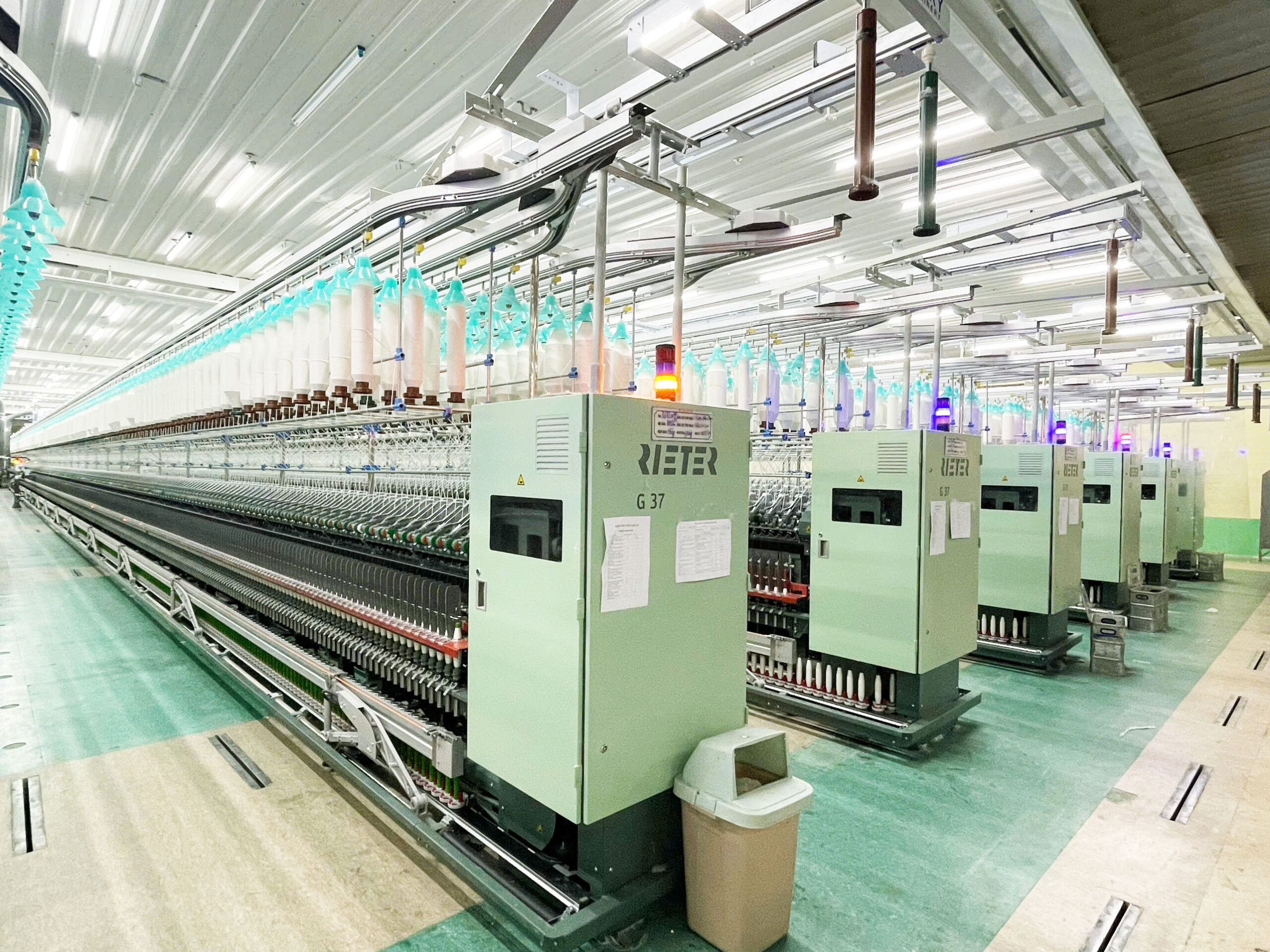
Global Fiber Demand: Trends, Challenges, and Future Directions
The demand for fiber worldwide is a crucial topic not only for textile and apparel businesses but also for the fashion industry, material production, and modern social life. In the context of globalization and the rapid advancement of new material technologies, understanding global fiber demand trends helps individuals, enterprises, and organizations develop effective strategies for production, investment, and business growth.
From natural to synthetic fibers, environmental, economic, and consumer trends are creating significant shifts in global fiber demand. Grasping these changes enables you to identify opportunities, address challenges, and make informed decisions for the future.
Overview of Global Fiber Demand
Definition and Importance of the Global Fiber Industry
We often hear terms such as cotton fiber, synthetic fiber, or wool fiber, but rarely realize their critical role in the world economy. The fiber industry forms the foundational link in the textile manufacturing chain — a sector producing billions of garments and fabrics used daily.
Global fiber demand influences not only production capacity but also the final product price, the pace of technological innovation, and the direction of sustainable development.
Global Fiber Consumption Trends
- Natural fibers: Dominant groups such as cotton, wool, and silk remain essential in traditional regions, particularly Asia and Africa. However, supply is heavily influenced by natural and climatic conditions.
- Synthetic fibers: Polyester, nylon, and acrylic are increasingly popular due to their low cost, scalability, and independence from natural fluctuations. According to reports, polyester alone accounts for approximately 55% of total global fiber consumption.
- Special and eco-friendly fibers: The rise of bio-based, recycled, and biodegradable fibers is driven by the growing demand for environmental protection and sustainable consumption, especially in North America, Europe, and developed countries.
Leading Regions in Global Fiber Demand
Asia — particularly China, India, and Vietnam — is the largest consumer market for fiber worldwide, serving both as a major exporter and primary supplier. North America and Europe focus more on high-end and technical fibers. Africa’s fiber market is small but rapidly growing, largely dependent on imports.
Demand Fluctuations During and After the Pandemic
The COVID-19 pandemic disrupted production and reshaped global fiber demand. Technical fibers used in masks, protective clothing, and medical textiles surged. Post-pandemic, the market rebounded but shifted toward green and sustainable consumption, boosting demand for organic and recycled fibers.
Key Drivers Affecting Global Fiber Demand
1. Growth of the Fashion and Textile Industry
Fiber demand directly correlates with the expansion of the textile sector. Each year, over 80 billion garments are produced, driving continuous increases in raw material demand. Major fashion brands now prioritize sustainable, low-carbon fibers — creating vast opportunities for eco-friendly and high-tech fiber producers.
2. Economic, Demographic, and Urbanization Factors
- Population growth and the expanding middle class in the Asia-Pacific region are fueling consumption of fiber materials.
- Urbanization and modern lifestyles demand diverse, frequently updated textile products — requiring fiber materials that are versatile, functional, and cost-effective.
3. Technological Innovation and Material Advancement
Fiber manufacturing technology is evolving rapidly: nano fibers, smart fibers, and fibers with adaptive physical properties are expanding applications beyond traditional textiles to medical technology, aerospace, electronics, and sports. Companies that track global fiber demand trends will lead in innovation and value chain optimization.
4. Consumer Awareness and Environmental Standards
Growing awareness of health and sustainability pressures manufacturers to adapt. Consumers in the U.S. and Europe are willing to pay more for organic, chemical-free fibers with longer lifespans. This trend is spreading globally, compelling the entire industry to realign consumption strategies.
Opportunities, Challenges, and Future Directions of the Global Fiber Market
Market Expansion Potential
According to reports from leading organizations, global fiber demand is projected to grow at an average annual rate of 4–5% in the coming years. Key growth areas include:
- Fast fashion and textile production
- High-tech fibers for aerospace and healthcare industries
- Bio-based and sustainable materials
The polyester fiber market alone is forecast to exceed USD 115 billion by 2027, accounting for over 60% of total global fiber consumption, thanks to its flexibility and affordability.
Major Challenges Facing the Global Fiber Industry
- Raw material price volatility: Oil, cotton, and wool prices are subject to global commodity fluctuations.
- Intense competition in technology, quality, and cost: Developed nations continuously innovate, making it difficult for smaller firms to survive without investing in smart, modern fiber production.
- Environmental and social responsibility pressures: Stricter regulations against hazardous synthetic fibers and the push for recycled materials pose major challenges for traditional manufacturers.
- Geopolitical and epidemic disruptions: Events like COVID-19 and global conflicts have exposed vulnerabilities in fiber supply chains, emphasizing the need for greater logistical resilience.
Strategic Development Directions
- Promote technological innovation: Invest in smart, technical, and automated fiber production to meet both quantity and quality demands.
- Build sustainable value chains: Use recycled materials, develop bio-based and eco-friendly fibers, and collaborate with global brands under green standards.
- Diversify markets: Expand into emerging markets and industrial or technical fiber sectors.
- Enhance adaptability: Diversify raw material sources, strengthen logistics, and broaden international distribution channels.
The Role of Digital Transformation and Smart Technologies
Digital transformation is reshaping fiber production, marketing, and supply chain management. AI, IoT, and blockchain enable quality control, traceability, and operational optimization, enhancing customer experience. Companies embracing these technologies will gain a decisive edge as global fiber demand becomes increasingly diverse and demanding.
Strategic Insights for Fiber Manufacturers and Traders
To succeed amid these shifts, businesses should:
- Continuously update market data and global fiber demand insights.
- Develop fiber products aligned with sustainability and eco-friendliness.
- Collaborate internationally and join standardization and transparency initiatives.
- Invest in skilled labor and long-term R&D for innovation and competitiveness.
In reality, global fiber demand is evolving rapidly under the influence of globalization, technological innovation, and sustainability pressures. The gap between regions in production capability and quality standards is narrowing — creating a broader yet more competitive landscape for all stakeholders.
Understanding fiber demand helps you identify the right product development direction, seize international opportunities, and avoid competing solely on price. The market always rewards those who stay informed, embrace innovation, and lead the transition toward a green and smart fiber future.
The growth of the fiber industry is not merely a race for quantity — it is a journey to affirm quality, sustainability, and continuous creativity. Whether you are a manufacturer, trader, or simply an observer of the textile future, staying informed about global fiber demand is key to competitiveness and sustainable growth.
Despite the challenges ahead, the global fiber industry — driven by innovation and resilience — is poised for strong expansion. Investing in technology, emphasizing standardization, and strengthening international cooperation will be the guiding principles for companies and individuals aiming to capture the full potential of the global fiber demand wave in the years to come.
Don’t stay behind — be a pioneer in the global fiber revolution!

Bài viết liên quan
News
The Benefits of Fibers in the Apparel Industry
In today’s modern apparel industry, the choice of materials for each garment not only affects product quality and durability but also determines the end-user experience. Among all components, fiber plays a fundamental role — it forms the foundation of every fabric and piece of clothing. Beyond ensuring strength and resilience, fibers contribute to health protection,
Xem thêmNews
Fiber production process
The Fiber Production Process – Foundation of Quality and Competitiveness in the Textile Industry The fiber production process is the fundamental factor determining the quality of yarn and textile products. Understanding this process not only helps businesses optimize manufacturing efficiency and reduce costs but also ensures that the fibers meet technical and environmental standards. Whether
Xem thêm